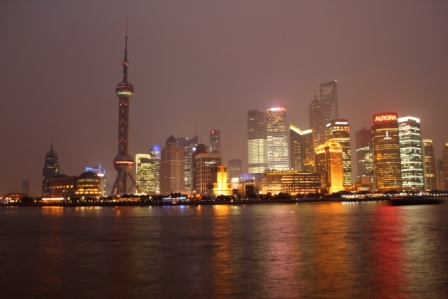
Shanghai's Pudong Skyline at night, including the pink Oriental Pearl Tower

EY Travel Tips: Shanghai
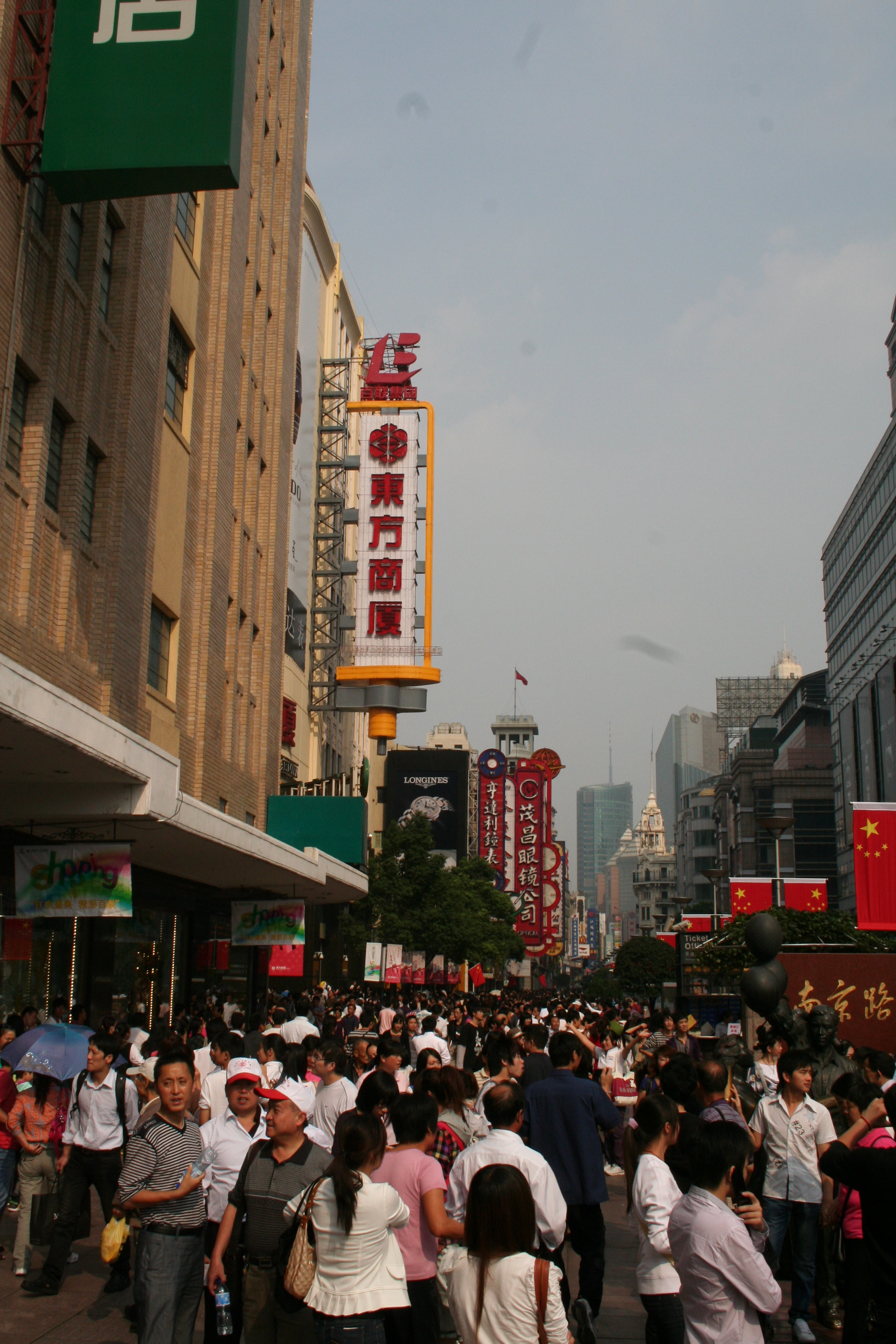
1.  Get off Nanjing Lu.

One of the main drags through downtown Shanghai is Nanjing Lu. It’s a crowded pedestrian-only area packed with international stores and locals hawking their wares (and potentially trying to scam you—see #3). It can be overwhelming, to say the least, but is also a good way to get from the People’s Park to the Bund. Once you’ve had your fill, duck off to a side street and discover the real Shanghai. Yes, it’s grittier and dirtier (as an aside, avoid wearing sandals or open-toed shoes while traveling in China, as your feet well get absolutely filthy) but you can get a feel for what it’s really like to live in Shanghai. Plus, the street food is to die for. As long as it’s cooked nice and hot in front of you, you shouldn’t have any problems eating the pan-fresh fried rice or steamed buns (called baozi. They’re delicious.) you’ll find on every corner. Unless you know Chinese, be prepared to point as it’s most likely no one will speak English. On that note, picking up a phrasebook with a good dictionary as an appendix before your trip will definitely be worth it, especially if you’re a picky or particular eater.
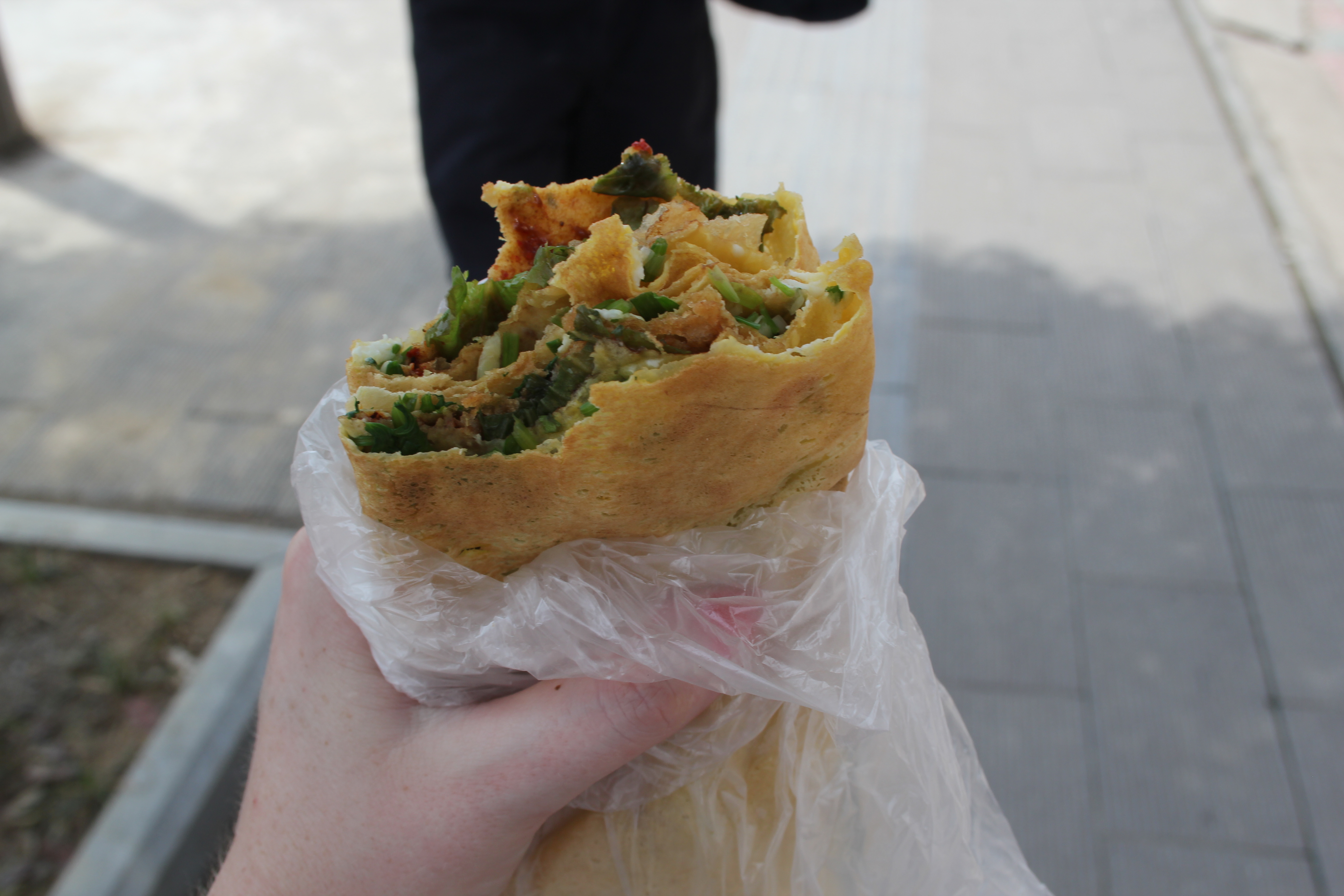
The delicious jien bing

2.  Get up early.

Shanghai is a city that stays up late but gets up early. Morning is another great time to pick up some delicious street food, especially my absolute favorite, the savory large pancakes called jien bing, which the vendor will roll up for you like a burrito. Be sure you don’t miss the early morning markets where you can find locals buying their fruit, vegetables and meat for the day. There will be at least one market in every neighborhood. One quick tip: If you want to pick up some fruit, make sure you can peel it or bring along a peeler to get rid of the skin. Chinese people abide by this rule too, so don’t worry about offending anyone—you’ll horrify them much more if you just bite into that apple, instead of peeling its skin off first.

3. Beware of scam artists.

It often goes like this: You, an excited foreigner in China, stop to snap a few photos along the Bund. Two young, friendly Chinese women come up to you and in pitch-perfect English, ask if they can take a picture with you. Flattered, you say okay. You strike up a conversation. They’re from an inland city, also visiting Shanghai and wow, you’re an American! They love America! And you love China? That’s great! Would you like to go to see a traditional Chinese tea ceremony as we talk about our cultures? Sounds interesting, you say, and away you all go. Then, twenty minutes later, after you’ve tried a few teas, you’re presented with a bill for hundreds upon hundreds of yuan. And that’s when it sets in: You’ve just been scammed. Unfortunately, this happens again and again in any major tourist area of Shanghai and Beijing, and goes virtually unchecked by the government, at least at this time. This means as a visitor, you have to be on your guard, which can make for some unfortunately suspicious interactions with locals. Don’t agree to go anywhere with anyone, no matter how charming they are or how great their English is. If you meet a local you get along with, I’d suggest you pick the place to eat or drink the first time.

Having said all that and as an aside: Shanghai’s violent crime rate is extremely low, especially given the Chinese government’s strict gun restriction laws. Still, it never hurts to use caution, particularly if you’re clearly a foreigner, traveling on your own, as you’ll stick out more in some parts of the city.

4. Be prepared for everything you’ve read on the city to be out-of-date.

Shanghai is constantly changing, and not just in small ways. Restaurants you’ll find reviewed online the year before may be gone. The subway line will suddenly have a half a dozen more stops. Or that museum you were looking forward to from your 2-year old guidebook will have long since closed. It’s part of the feel of the city, but it can get frustrating. One way to combat it is to check on Shanghai’s WikiTravel page before you go out of your way for anything but a major site, as users tend to keep the website up-to-date. Or, when you finally make it to the address of the bike rental shop and it’s now a chocolatier (to use a real-life example), shrug and head on in for a sample; it’s all part of China’s charm.

5. To get to and from the Pudong Airport, take the elevated train.

Called the Maglev, it’ll get you from the airport into the city in fewer than 12 minutes, and is a fun introduction to China’s growing fast train system. It’s a little steep, but worth the money. Yes, the subway’s Line 2 goes all the way out to Pudong these days and rings in at only 2 yuan per ride, but it’s at least a 90-minute journey, which no jet-lagged traveler wants to stomach. Cabs from Pudong into the city can cost over 200 yuan and will take even longer than the Maglev, even if you don’t hit traffic. If you’re concerned about finding your hotel once you’ve made it into the city, grab a cab at the end of line. Just make sure you have the name of your hotel written down in Chinese characters to give to the cab driver (also see #6).

6. Be sure to grab a business card from your hotel.

Any hotel, even smaller ones, should have a business card with their name and address on it both in English and Chinese. Make sure you have a couple of those handy to give to cab drivers. Since virtually no cabbies know English, also have your hotel write down any major locations you want to see that day on a cheat sheet. Otherwise, try out Shanghai’s excellent subway system, but be aware that it shuts down around midnight each night.

7. Check out the Shanghai History Museum.
Located in the base of the famous Oriental Pearl Tower, the Shanghai History Museum is a ton of fun. It’s full of dioramas and mannequins that explain Shanghai’s history from ancient times to now. Plus, the captions provide an interesting, albeit sometimes grammatically clunky, perspective about the Chinese views on western imperialism. Check hours as they may vary, especially on holidays, and lines can get long on weekends. I’d recommend shooting for evenings, as the crowds will thin out after about 6 pm. Plus then you can see the pink Pearl Tower lit up from below as you exit the museum that evening.

Shanghai's Pudong Skyline at night, including the pink Oriental Pearl Tower

8. Set aside at least a few days for brief overnight trips.
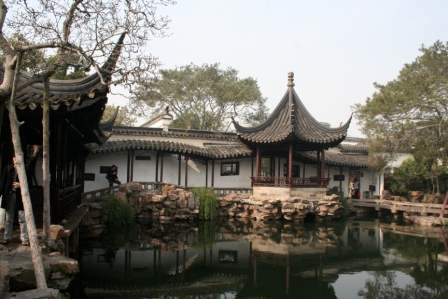
Suzhou's Garden of the Master of Nets

Hangzhou, with its gorgeous West Lake, and Suzhou, with its multiple UNESCO World Heritage Site traditional gardens, are not to be missed. Both are accessible by fast train from Shanghai’s main train station. While they’re easy to get to and not too far from Shanghai, I’d still recommend spending at least one night in each city to be able to get yourself oriented. Both cities suffer from a lack of foreign-accessible transportation (the bus systems are tricky at best to figure out if you don’t read Chinese characters, unlike Shanghai’s subway system). Also, during rush hour, cab drivers, who don’t work for tips in China, will avoid foreigners for an easier native speaker fare, so getting around either city can be a challenge. Still, once you’re sitting in one of the ancient pavilions in Suzhou’s Garden of the Master of Nets or enjoying a cup of longjing tea, the local specialty, at a West Lake teahouse in Hangzhou, you’ll be happy you made the trek.

~Megan~


028

I survived Dog Sledding in Mongolia

~ OR ~

…How to put what’s left of a good face on travel adversity

“So I went to the doctors,” Bijani said.

“Oh good, what did they say?” The phone-line went quiet for a few seconds.

“Well, that I’d probably lose my big toe and parts of both ears.”

“What?!”

“Yeah, they’re pretty black and peely right now. You know marshmallows, after they’ve been on fire? Kinda like that.”

“Oh—that’s bad! Did you get a second opinion?”

“I think it’ll be ok,” Bijani laughed. “They found a doctor who’d lived in Alaska, and he says as long as everything stays warm I get to keep my nose, earlobes—all that good stuff.”

“… Does your mom know?”

“No—but she’ll kill you when she finds out.”

***

I’m a thoughtful dude: I do dishes; I put the toilet seat down at night; onetime I read the Little Prince and told people I liked it. So, never, in a million years, did I imagine this could happen to me.

Even Bijani’s mom’s parting words didn’t offer a hint. “Mongolia’s not the world’s safest place,” she said. “Don’t let ANYTHING happen to my beautiful daughter.” Frostbite would surely count as a kind of “anything”—and on her second-to-last-day, all because I’d agreed to have “fun” against my better judgment.

Oh, we’d had fun before—my kind of fun—the kind that involves working long hours at a newspaper office and watching Singapore-based sports TV in an apartment. But given her imminent return to California, I couldn’t say no. For our last, most memorable adventure in the land of Genghis Khan, Bijani chose dog sledding.

***

“At least the dogs were cute,” Bijani said.

“Oh yeah, great.”

“And I liked Noel.”

“That crazy French guy? He’s insane—case of permanent brain freeze.”

“Look on the bright side…”

“Easy for you to say. You just got frostbite. I’m going to be murdered by your mother.”

“Well…”

“Aghhhhh. How did this happen?”

***

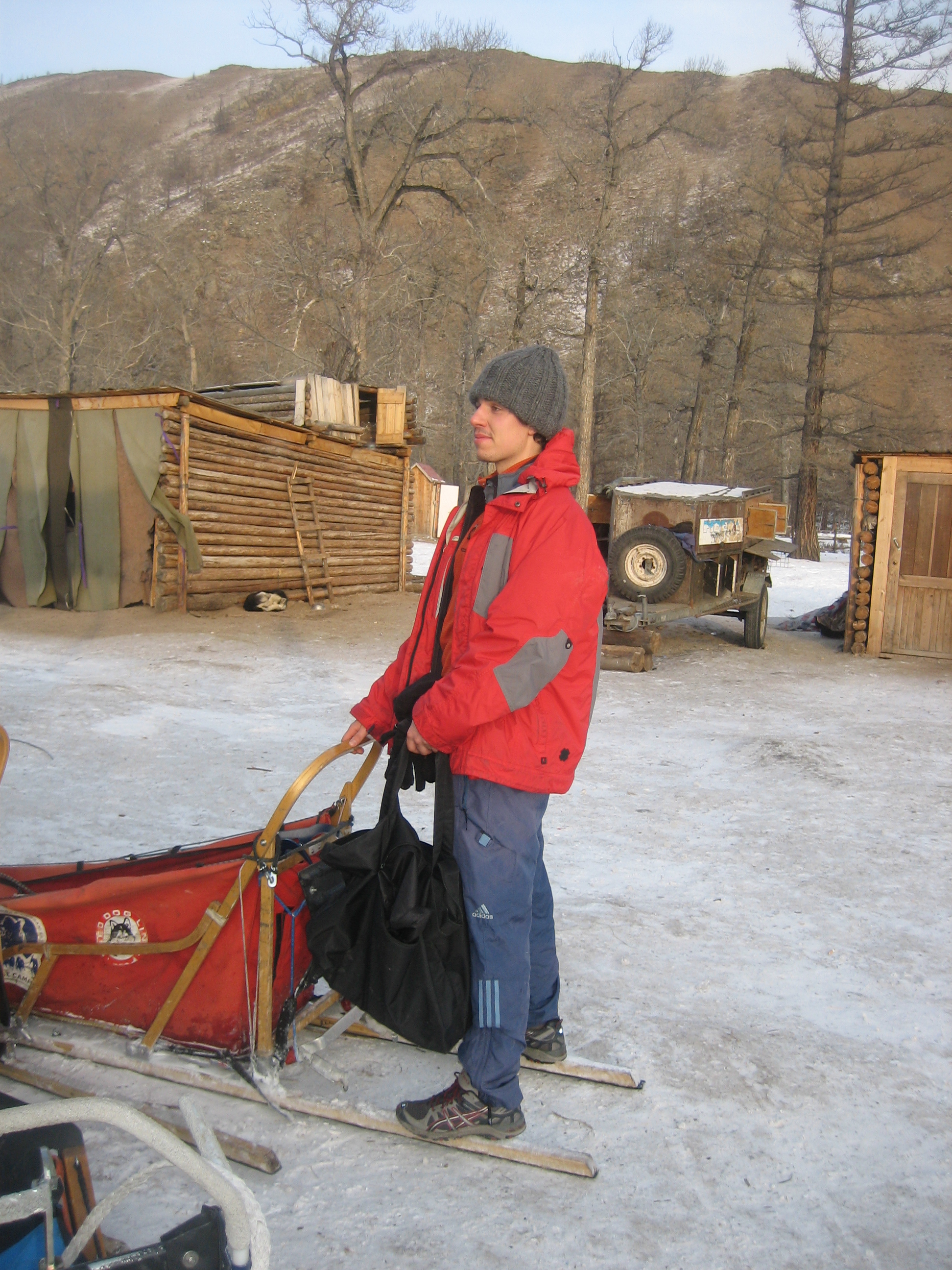
It started with us setting off for sledding on one of those unusually mild, Mongolian January days. It was zero degrees. For the first time in three months I felt overdressed in long underwear, snowpants, gloves, and two jackets. One small victory in the battle of Man vs. cold.

The Silver Storm company van drove us out of Ulaanbaatar city northeast toward Terelj National Park, while I sweated past wrecked cars that served as “don’t drink and drive” reminders, through stiff yellow hills and finally the famous rock that looks like a turtle happily sunning itself.

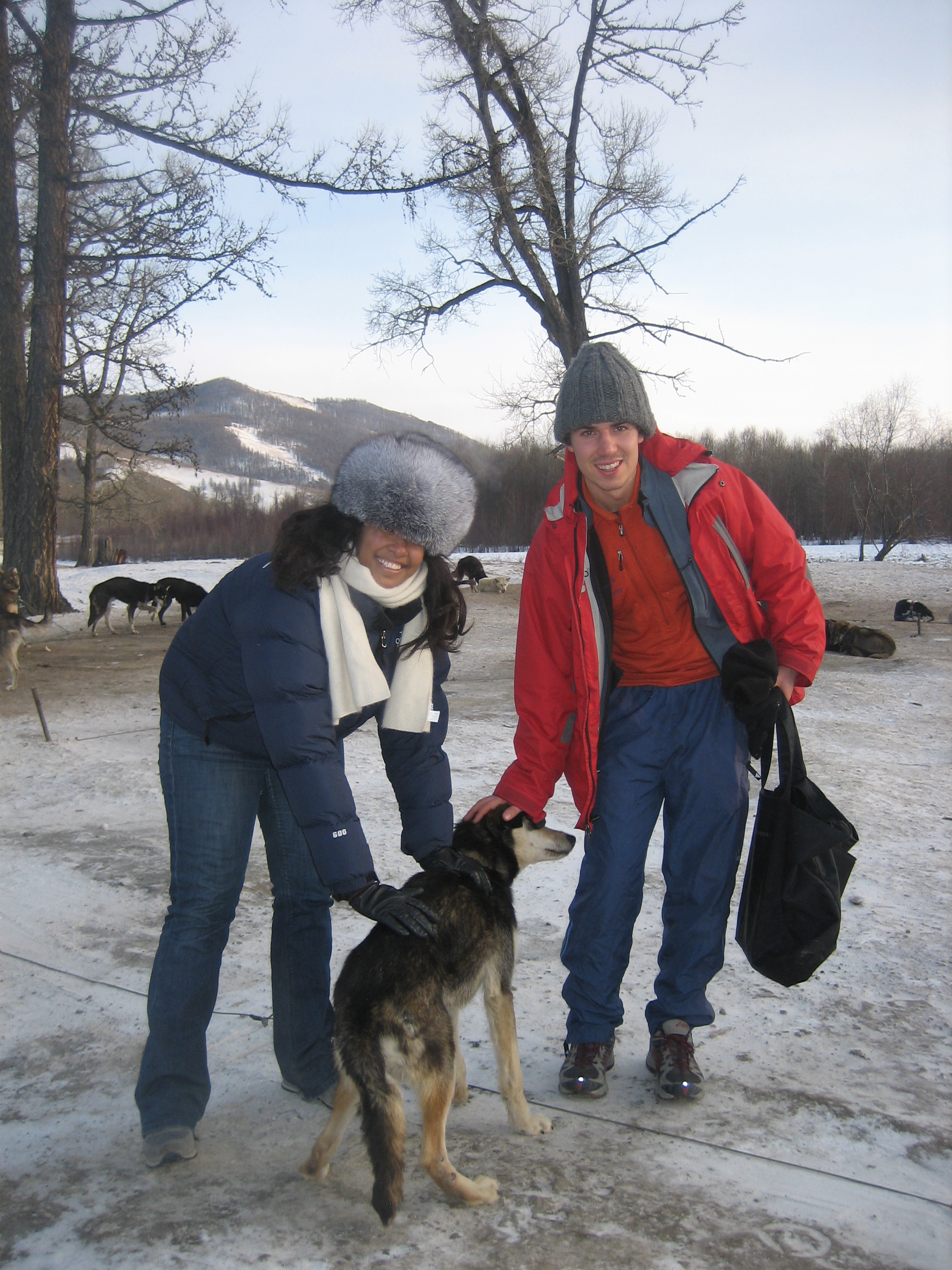
We arrived and I couldn’t help feeling a little optimistic about the expedition. Three felt tents beside a log shed made up the camp, where lean, eager huskies and the bemused voice of Noel, our energetic guide, greeted us.

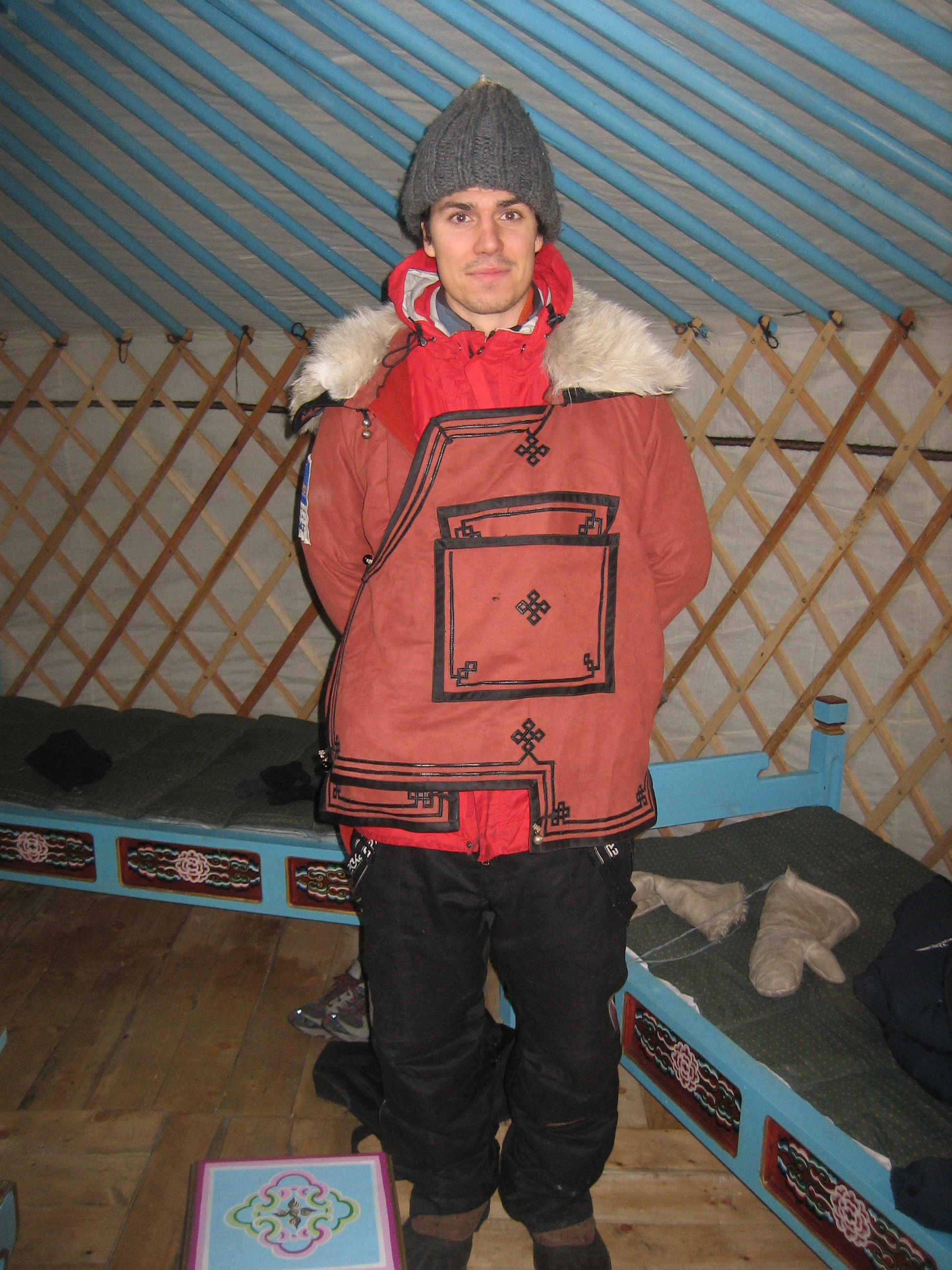
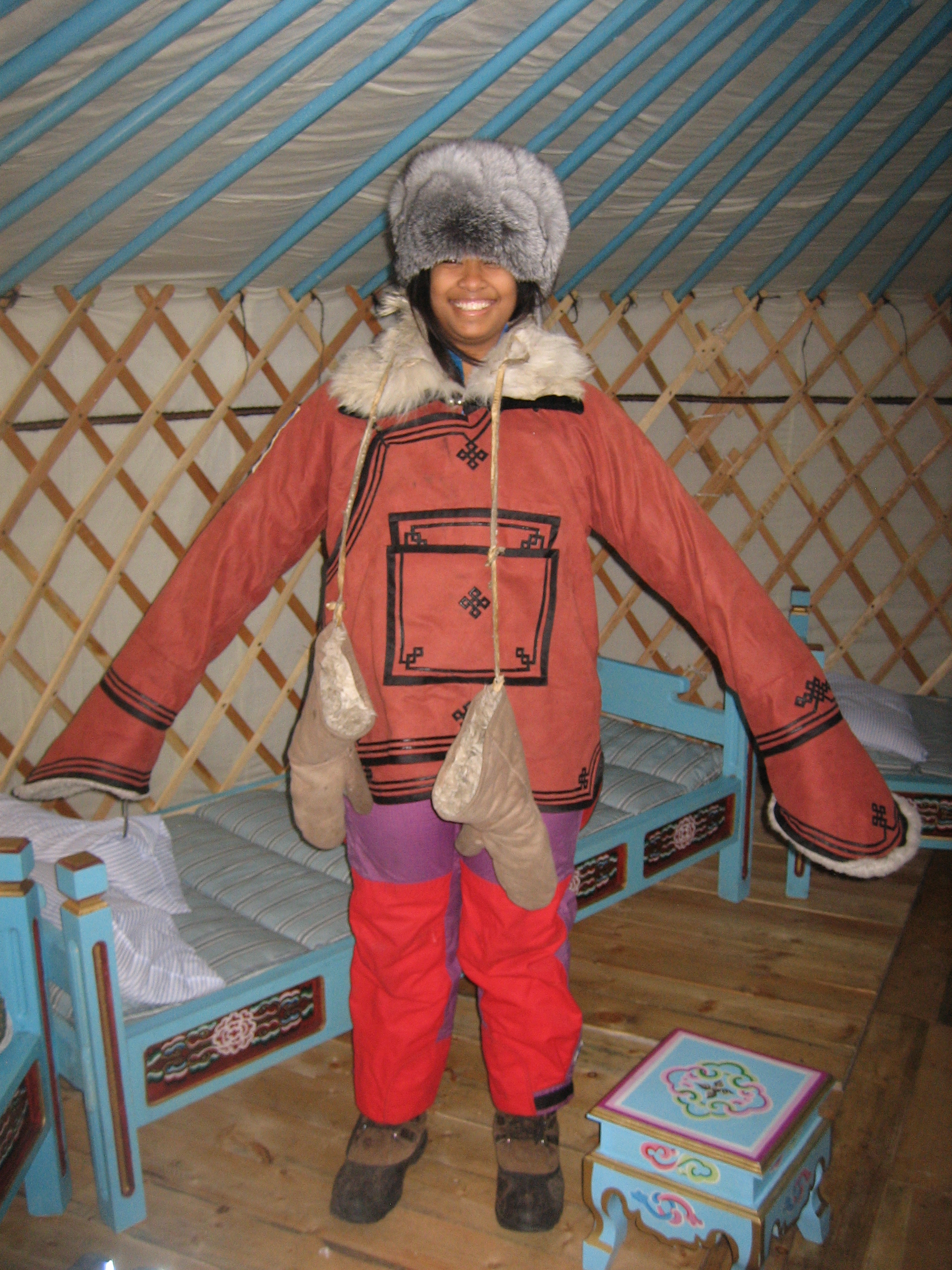
“Is zees all you brought?” he prodded our clothes dubiously and left, returning a few moments later with massive, traditionally-pattered wool jackets and pants.

“Now you will not freeze,” he said.


It was colder by the banks of Terelj River than in the city, but I felt impenetrable in my woolen armor. Noel wore a jacket, ski-pants and a fleecy headband. I figured we were being treated with big, woolen, kiddie mittens.

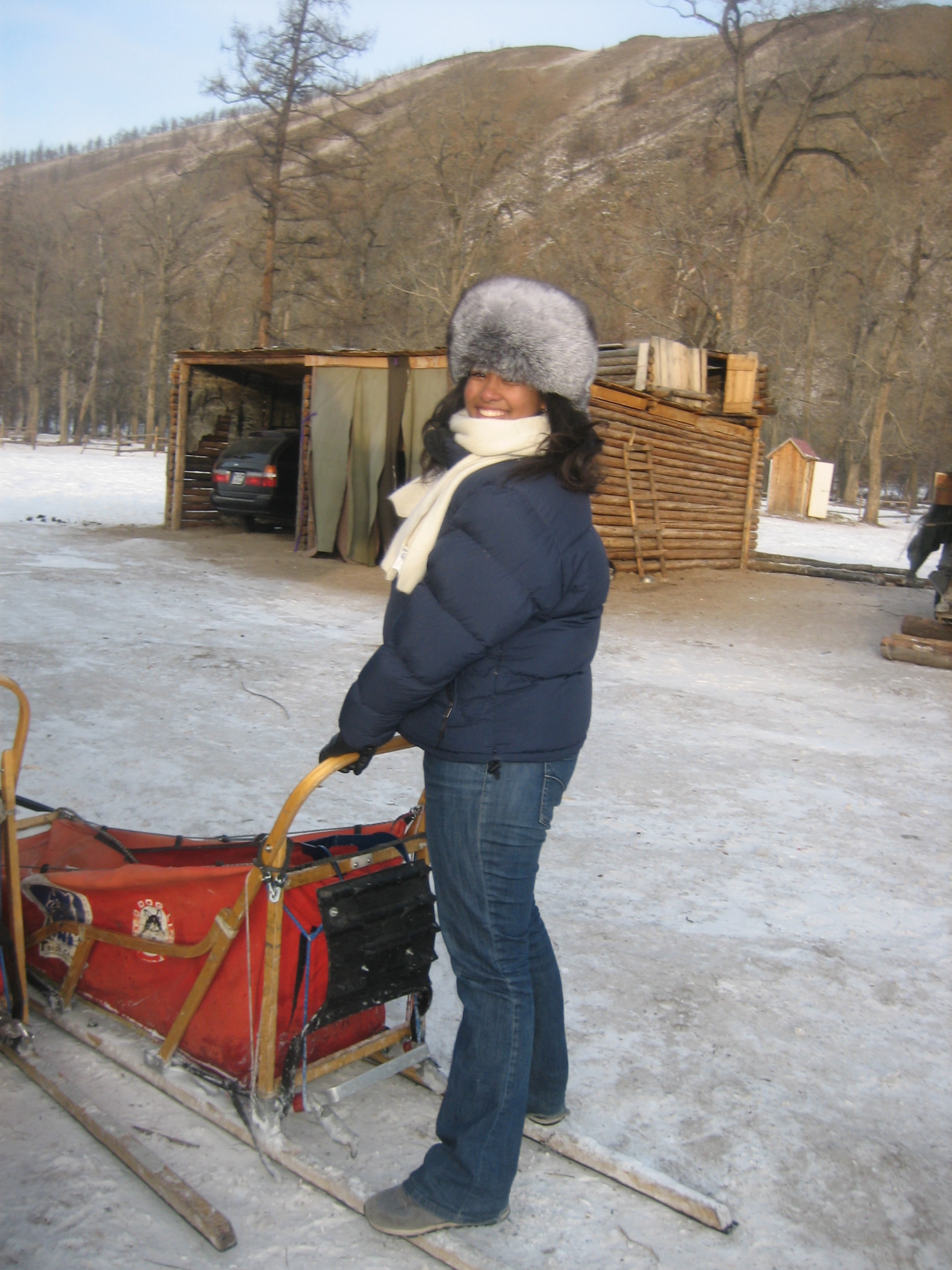
We met Black and White, the skinny lead dogs, and learned the essentials—hold on, lean left to turn left, right to turn right. And that was it—we mounted our wooden sleds and plunged down a powdered ice ramp onto the hard river.


The stony riverside and lines of crisp alpines whipped by at seven miles per hour. Black looked over his shoulder as if to say: “Isn’t this fun?” It was fun, for five minutes.

Then I felt something else. Pain.

Freezing pain.

***

“Remember how the wind cut through seams in your clothes and your boots?” Bijani asked?

“Oh yeah, but how’d it get through both pairs of socks?”

“Weird, huh?”

“You should’ve said something; we’d have gone back.”

“I just couldn’t make myself do it, but I wanted to turn around so badly,” she said.

“I wanted to cry, but my tear ducts froze.”

***

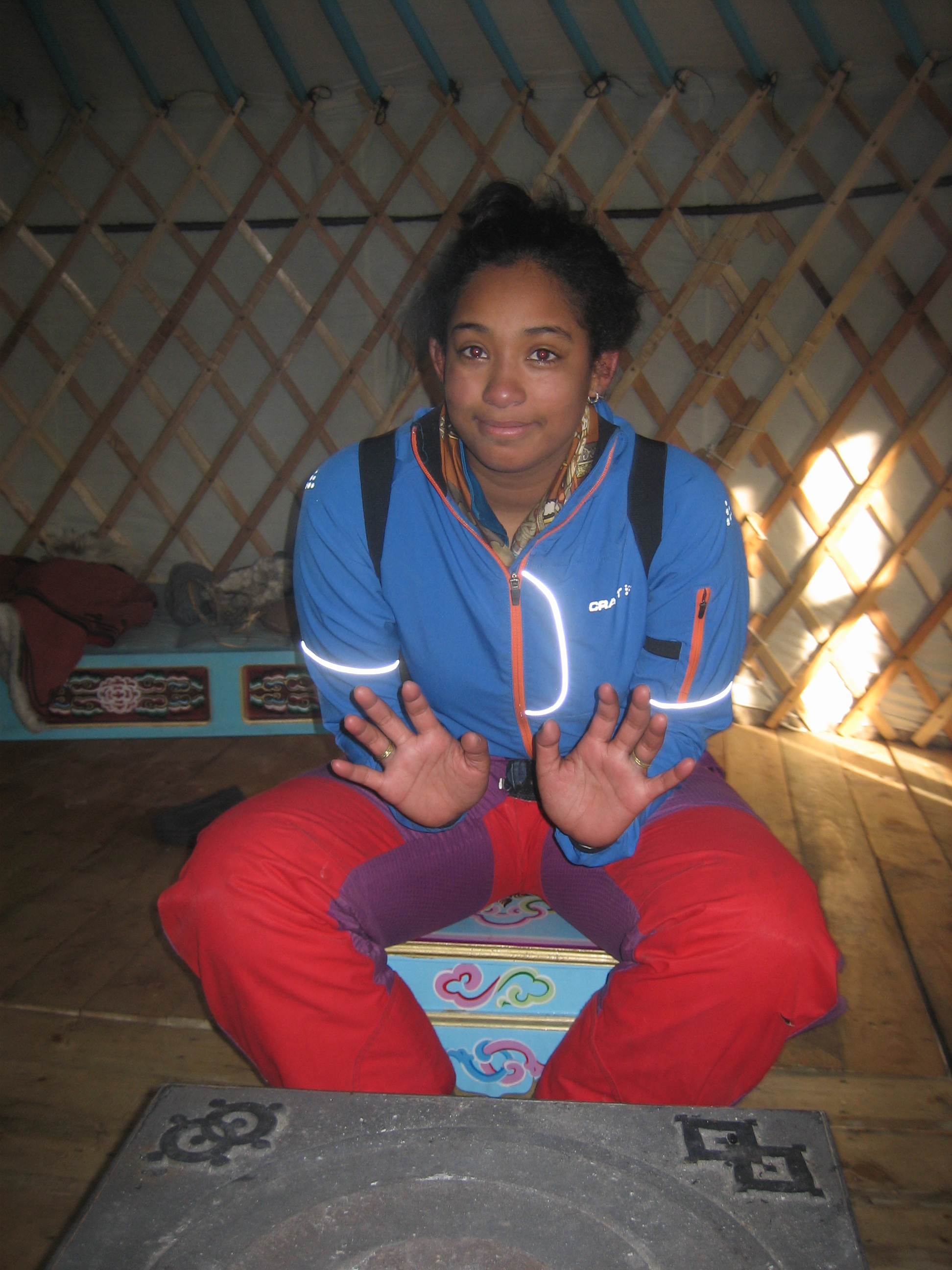
At some point, we stopped for a third time. Bijani started with a neat fur hat and scarf wrapped around her face. Now frost caked her eyebrows and yellowing scarf; the hat was long gone, blown off and replaced by my lopsided wool cap. She looked like the disconsolate runner up of Miss Abominable Snowwoman 2008.

I should have given her my balaclava, but it was too cold to really be considerate.

“Should we keep going?” I asked.

I wanted her to say no. She opened her mouth and nothing came of it, just a headshake. (Later she’d tell me her brain had lobbied for a nod, but some frozen synapses misfired).

“Only 15 kilometers to go!” Noel said.

I knew we would die. Black glanced over his shoulder again, and I saw resignation on his face. “Yes, you are going to die,” his look said. “And if no one’s looking, I’ll probably eat you. No hard feelings, though.”

The wind howled. We crossed more frozen water. Sometimes it made cracking noises and we could see the water running under our feet. Sometimes rocks or debris formed a line across the icy track and we had to get off and run behind the sleds. I cursed nature. Bijani fell. She fell again.

She looked at me and I’ve never seen a face I know registering that much pain.

At last we reached the halfway point, a river bend that provided some shelter from the wind. Noel lit a fire and heated mutton dumplings and tea. I thought it was the best meal I’d ever eaten.

“At least we won’t die hungry,” Bijani said.

Miraculously, the wind at our back made the homeward journey easy. Bijani got a lift in Noel’s sled. I laughed the whole way to camp, partly from relief, partly from borderline hysteria that made me careless with the reins a few times. Black peeked at me, looking concerned and a little disappointed. He licked his lips.

Once inside a safe felt tent with a dung fire going, we took off our huge coats and pants and took stock of our situation. Bijani removed her hat.

“Uh oh,” I said.

“My ears feel funny,” she said.

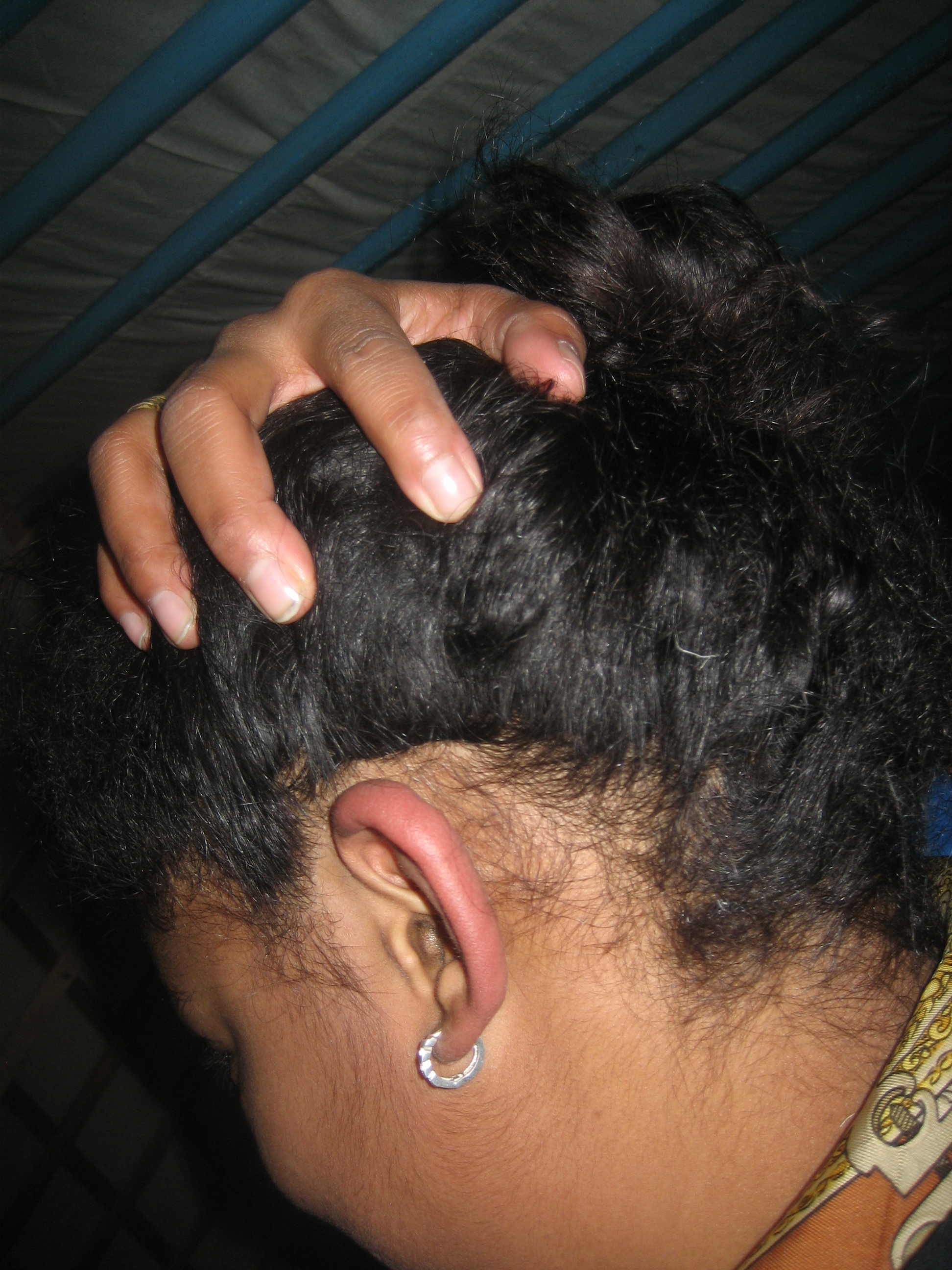
They were humongous. The backs had bubbled into deep purple blisters.

“Is this going to be ok?” I asked Noel.

“Oh that,’ he laughed. “That iz just from the cold. The elephant ears. You feel just like an elephant because ze are so…”

“Floppy?” Bijani offered

“Floppy!” He made wiggly elephant ear motions with his hands.

“Will she be ok?”

“But it iz nuffing. It’s happened to me at least five times.”

Noel’s headband remained conspicuously over his ears for our entire visit. We drove back in the dusk. Against the frozen brown backdrop that signature rock looked like a turtle trying to squeeze out of its shell and run, run for the hills, far away from its angry, future mother-in-law.

Things looked even worse when we got home and Bijani took her shoes off. The big toe on her right foot was black. I spent the evening breathing on her feet trying to keep them warm.

“This is just the romantic last evening I wanted,” Bijani said.

We got advice ranging from ‘put the affected areas in snow’ to ‘pray,’ to ‘everything will be fine.’ The next day, Bijani left for California with burn traces clearly showing on her face. She called me 20 hours later.

***

“So you’ll really be ok,” I asked.

“I think so.”

“I am so sorry. What a perfect end to a perfect stay, huh?”

“You know, I actually had a lot of fun.”

“Really?”

“Ha ha ha. Of course, didn’t you?”

“Except that it was the most awful, difficult, painful experience of my life, yeah, I guess I did.”

“Good. Plus we have a great story and I’ll have cool scars to prove it.”

“That’s what I’m afraid of.”

“It won’t be so bad. They won’t last more than a few months. Speaking of which, when are you coming home?”

“Dunno, after your mom has cooled down for a year or two… “ There was another silence on the line. “So, where to next? Somewhere really nice like Iceland, Antarctica, the frozen void of space …?

“Don’t get any ideas, buddy. I’m taking you somewhere warm.”

 ~Will~

For more on Will’s escapades in Mongolia, check out these additional EY articles:

Second Chances: UB Mongolia

EY Travel Tips: MONGOLIA

and coming soon:  TAJ MONGOLIA

Some say adversity is the fuel on which true love feeds…it certainly seems true for Will & Bijani who continue to surprise, delight & inspire us at every turn!  Read more about their engaging love story here.


Everyday Krakow 052

EY Travel Tips: Krakow

With Copernicus

1. Walk around the Planty.

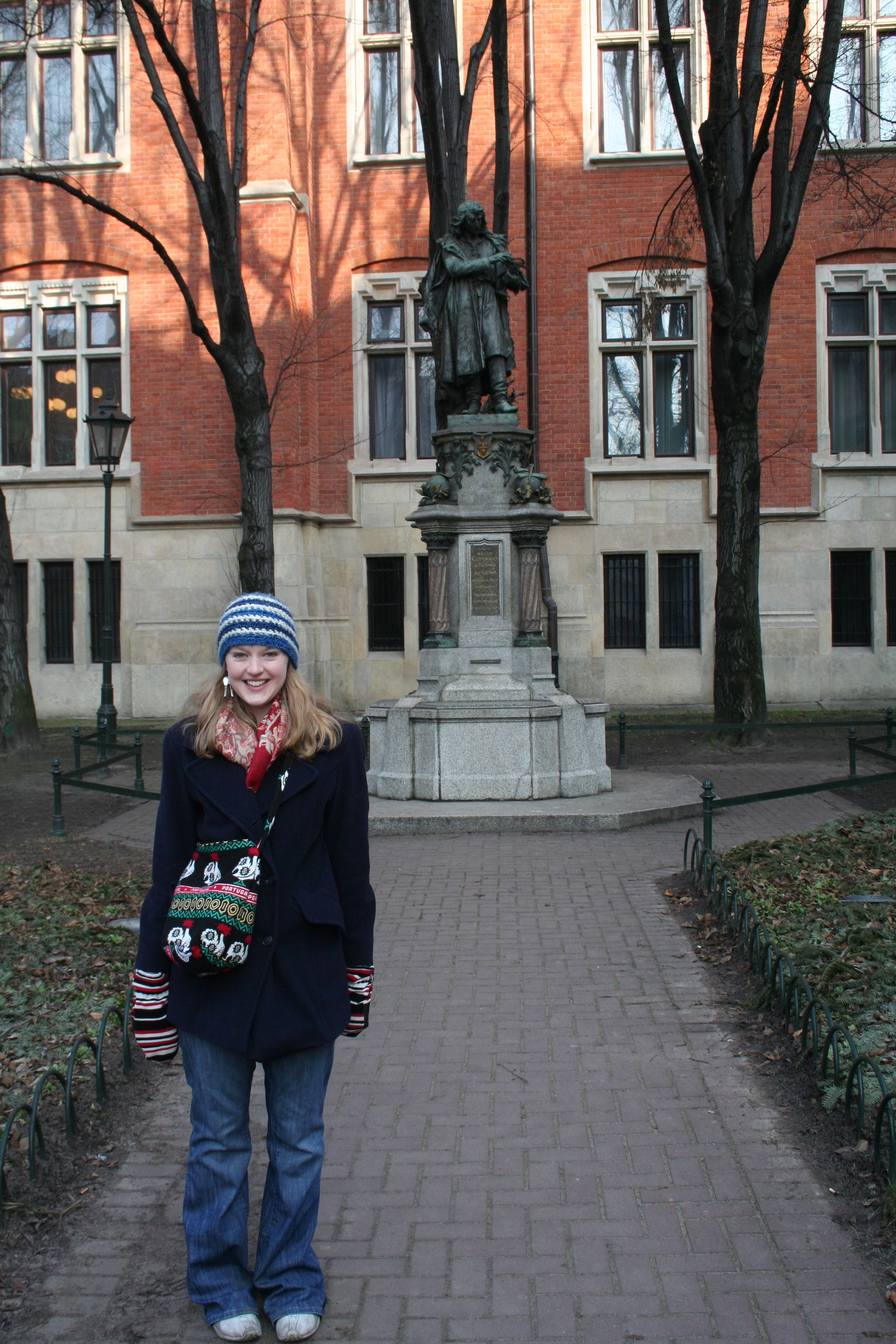
The Planty  is the park that surrounds Krakow’s Old Town. It’s a great way to get a feel for the city. You can walk around part of it and then go through St. Florian’s Gate at Ullica Florinska up into the main market square, Rynek Glowny. Also be sure to climb up in the Barbikan, one of the last remaining bits of the medieval wall. Plus, snap a picture with the statue of Copernicus at the nearby Jagellonian University. If you’re looking for a quick break from your stroll, there’s a great English language bookstore only two blocks away called Massolit. Grab a cup of their great coffee and pick up one of their ornate bookmarks as a free souvenir.

2. Try beer with juice—trust me.

In Polish, it’s “piwo z sokiem.” Memorize those three words. Be sure to get a Zywiec with cherry, or better yet, ginger. They’ll serve it to you with a straw. Stir up the juice at the bottom and you’re good to go. It might not feel like drinking a beer to purists, but it’s definitely worth a try.

3.  Don’t be afraid to be assertive.

From my experience, Poles are a no-nonsense bunch who can get frustrated with out-of-towners, especially given Krakow’s rising popularity as a tourist destination. With that in mind, don’t be afraid to assert yourself in ticket lines, at restaurant counters, and anywhere else….they’ll respect you for it and you’ll get more done. As with any foreign country, it’s useful to have your destination written down in Polish (ask for help at your hotel) so you can hand that to the person at the train station. Also, don’t forget practice saying “thank you” in Polish: It’s dzienkuje, or phonetically: jen-koo-yeh.

4. Take a ride on the Pope Train!  

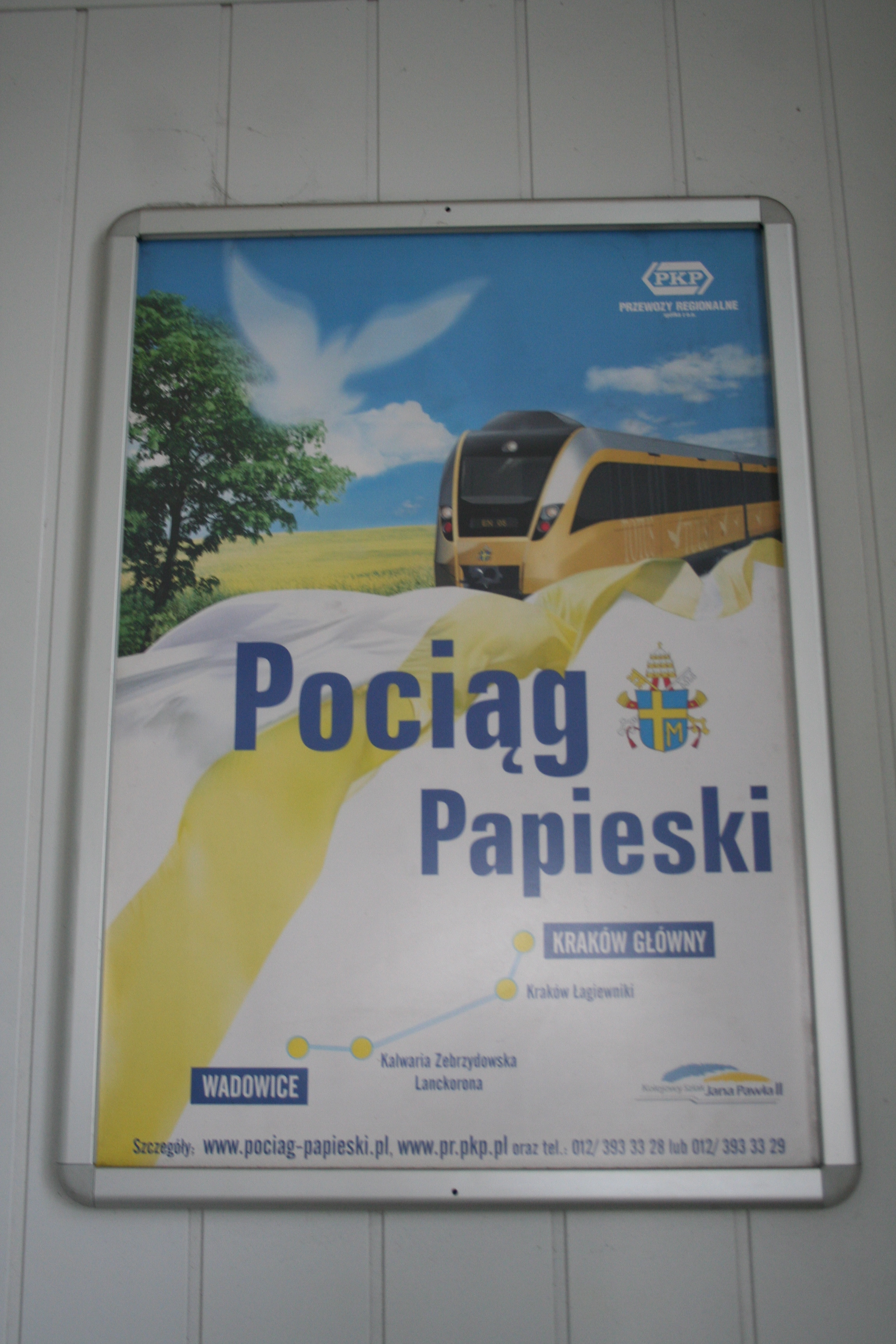
Poland was home to Pope John Paul II, who is very revered as a national hero, especially given his advocacy for the Poles’ rights during the Cold War. If you fancy traveling the footsteps of the Polish pope, consider taking a ride on the bright gold papal train, which leaves from Krakow’s main train station daily. There are multiple stops on the train, including to Pope John Paul’s birthplace, the small city Wadowice. While there, try out a so-called Pope Cake, the pope’s favorite delicacy as a boy. They’re delicious, but enormous, so don’t be afraid to split one.

5. Set aside some time for day trips.

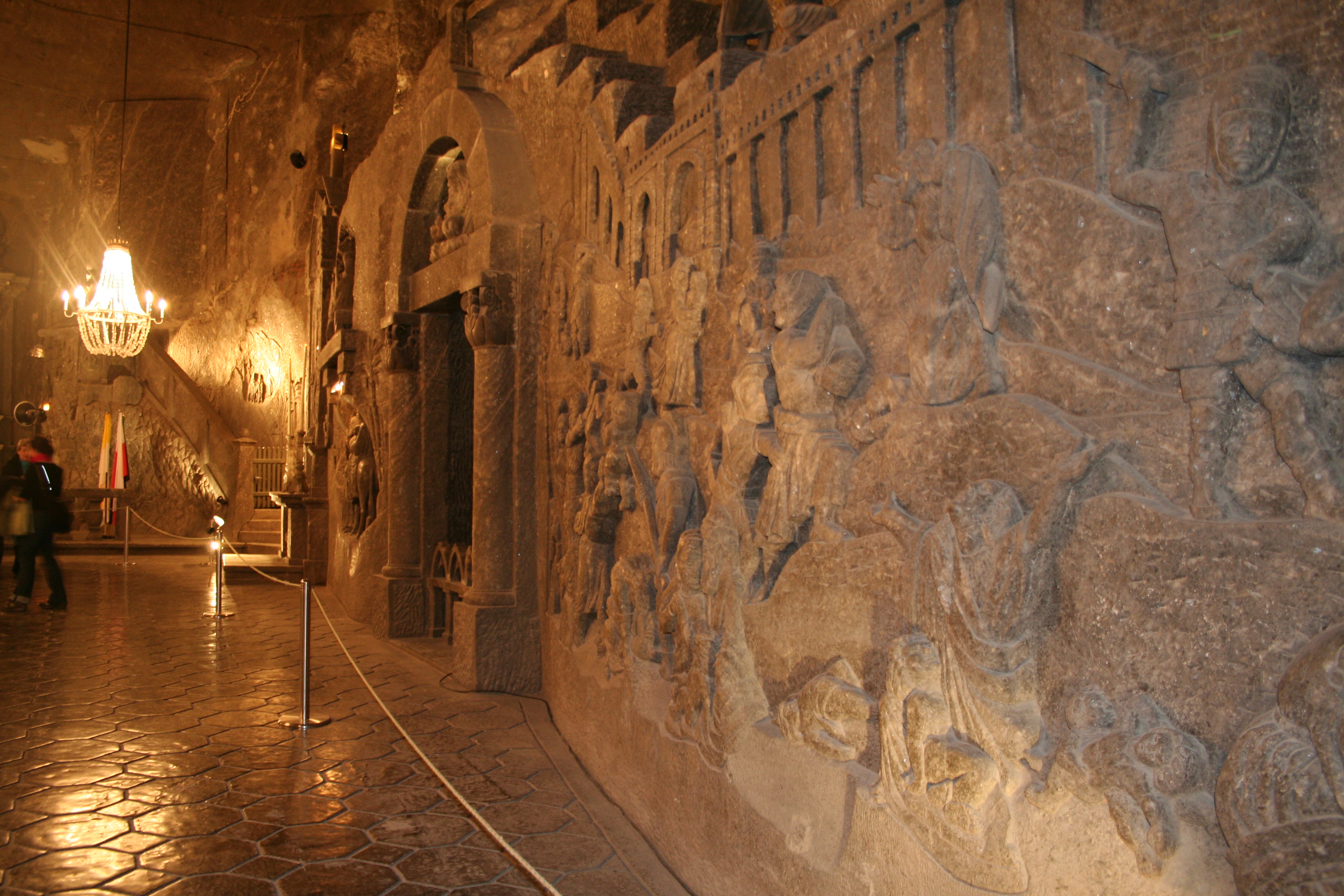
In the surrounding area near Krakow, there are a number of fascinating spots to see, including Auschwitz-Berkinau, the largest concentration camp during the Holocaust, and, for something entirely different, the Wieliczka Salt Mine. Auschwitz truly cannot be missed, even if it’s obviously a very sobering experience. The salt mine couldn’t be more opposite, and is pretty campy, but the underground chapel with its ornate salt chandeliers is a spectacular site, and the tour gives interesting insight into one of the region’s major industries. Plus, the tour guides (English speakers are readily available) wear hard hats. You can’t really ask for more than that.

6. Drink apple pie.

I’m aware this is my second alcohol tip, but you don’t want to miss out on this one. Go to any bar in the city and order a Tatanka—yes, like the word for “buffalo.” It’s made with Zubrowka vodka, a Polish specialty, and apple juice (check out their website, they even show you how to make this drink!). The combination tastes exactly like a cinnamony slice of apple pie. If you’re lucky, they’ll even put an apple slice in your drink. Classy, no?  Note: This drink is called different things in different parts of Poland, so if you’re in Warsaw, it might be called a szarlotka (apple cake). Ask the bartender.

7. Consider visiting over a major holiday.

88% of Poland’s population is Catholic. Because of this, each major Catholic holiday, the city puts on a festival in its main square, complete with local merchants hawking handmade wares and delicious food, and plenty of entertainment.  The drawback with this is that, of course, fewer businesses will be open (definitely check operating hours before you go to any major attractions), and major religious sites, especially nearby Czestochowa, a famous Catholic pilgrimage site, will be crowded. Still, if you want an authentic Polish experience, consider booking your trip in the spring, especially near Easter. Make sure to check out a holiday mass in St. Mary’s Cathedral, the spectacular church in the main market square.

8.  Eat.   All.   The.   Time.

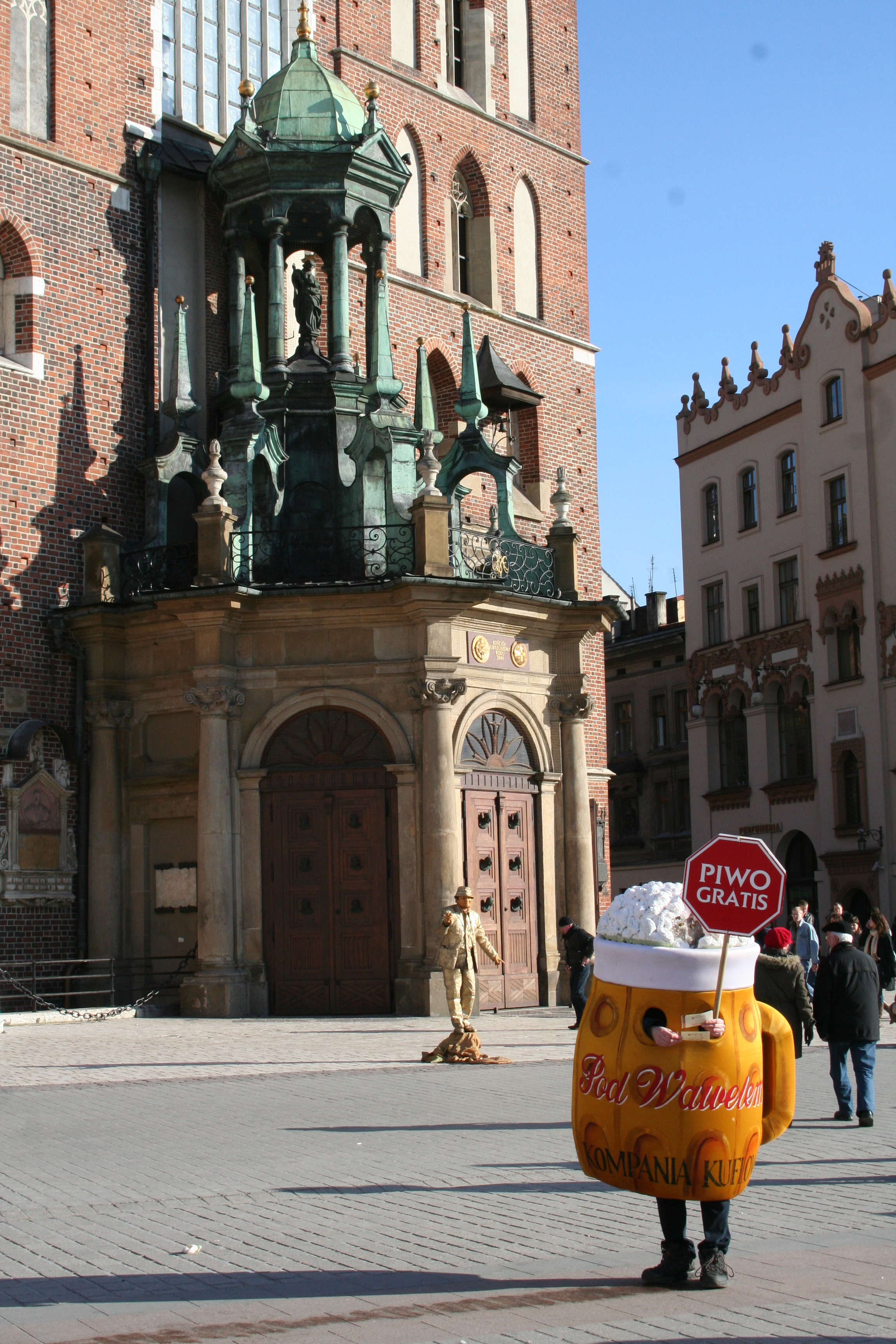
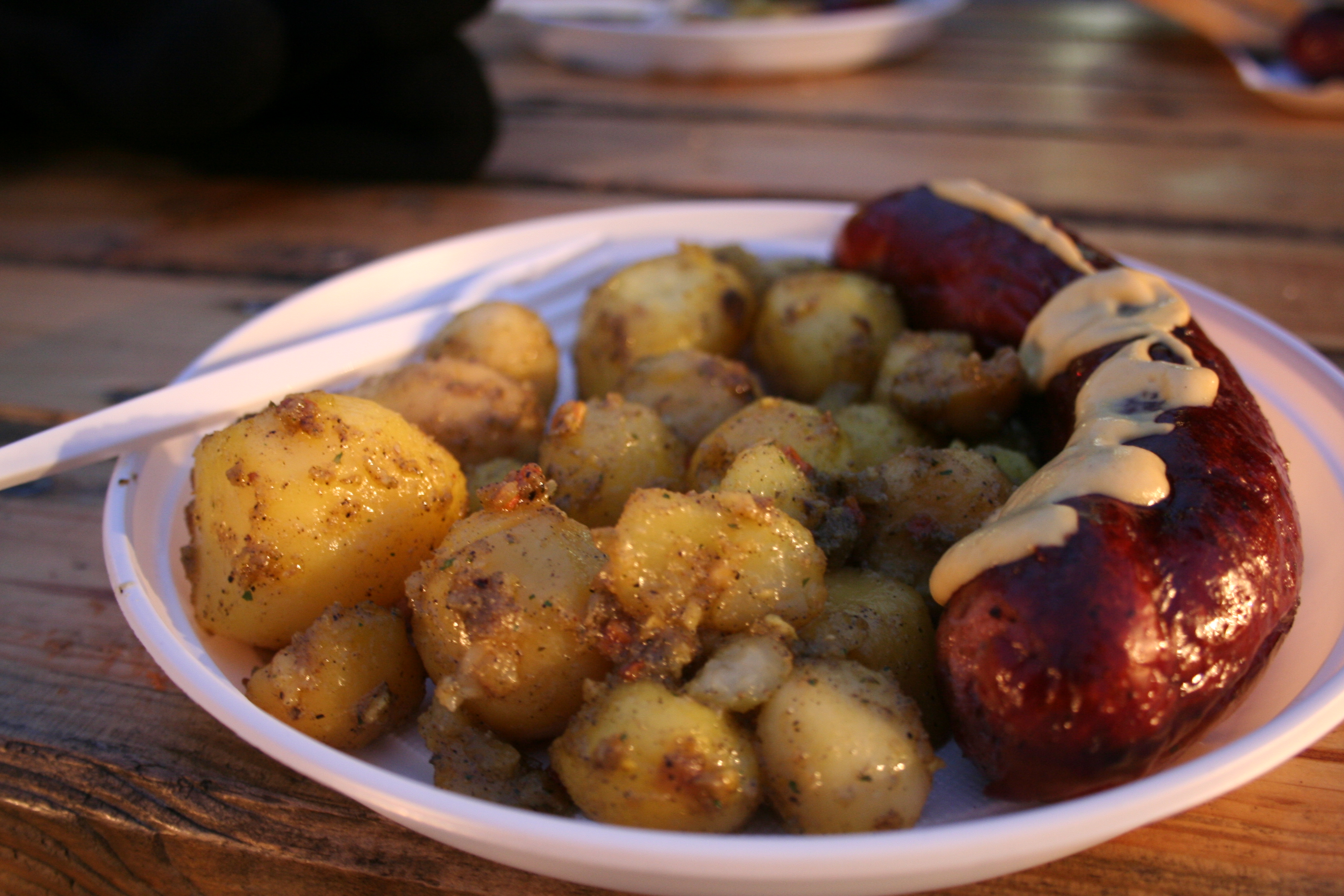
Especially worth trying are the street vendors’ pretzels for a great breakfast snack, and the zapikeinki, a long piece of bread covered in pickles and various sauces. In the main market square, look for the guy dressed as a giant beer mug. He’ll give you a coupon for a free beer at a restaurant right near the Wawel Castle. It’s a bit more touristy than some places, but the English menu serves as a great introduction to some of the best Polish foods: perogi—delicious cheese-, meat- or even fruit-filled dumplings (try the Ruskie-style, filled with cheese and potato)—and keilbasa, a type of sausage. Warning: If you want to take a picture with our friend the beer mug, beware that you’ll have to pay a few zloty to do so.

~Megan~

For more stories from Megan’s travel in Krakow, check out:

Running Five Polish Miles 

 Afterward